Chi Clinic, Cheam
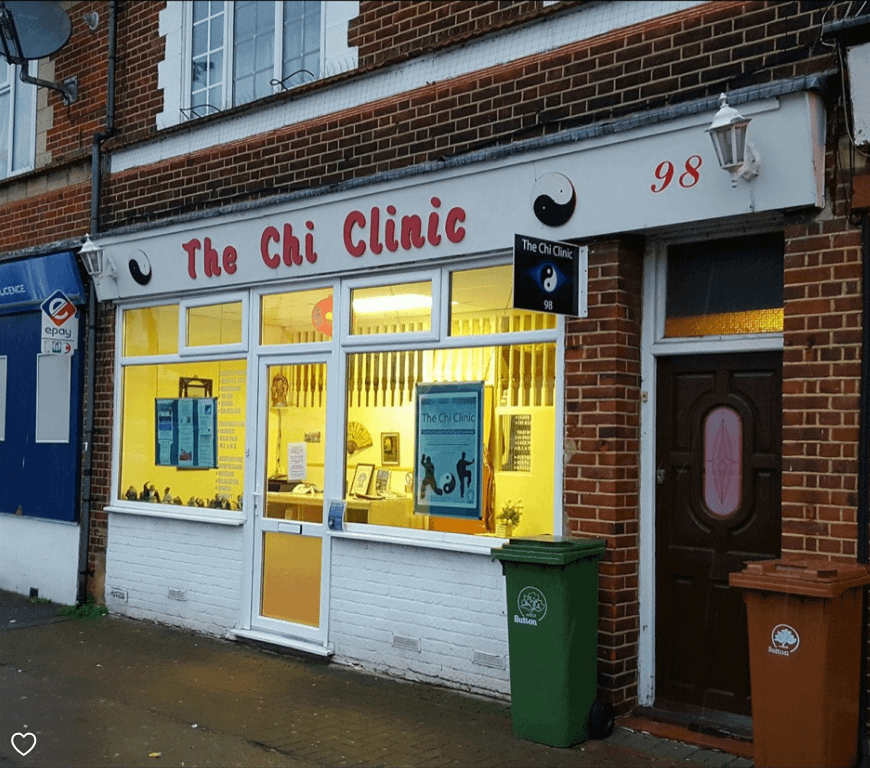


Chi Clinic, Cheam
A unique, specialist clinic established in 1995 and in Cheam since 1999 offering Complementary & Alternative Therapies, Clinical massage, Tai Chi, Qigong & Chi-Do practices for Rehabilitation. We teach individuality, self confidence and how to cope with modern life. Specialist in Remedial therapies using ancient traditional gentle realignment of bones and joints for the relief of pain, back pain, sciatica and injuries. Deep lymphatic drainage massage aids relief of oedema, pregnancy discomfort and morning sickness, stress, fibromyalgia, Myofascial Release, Long Covid and the promotion of good health generally.
The 49 5 star Google reviews reflect the success of these therapies. Please read them and maybe add your own to the growing list of testimonials.
If for any reason you cannot give 5 stars, do let us know before posting a comment and we will do our best to answer your queries or concerns.
Over the last 25 years we have seen over 14,000 individuals and performed over 20,000 treatment sessions.
Here you will be treated as an individual, a real person and listened to. Treatment sessions usually last an hour and a friendly, informal manner is keystone to our treatments. This is not a pamper salon.
We are here to offer our very best hands on examination, diagnosis and treatment using practical, down to earth approaches with some 60 years of experience.
Appointments may be requested by email to chicliniccheam@gmail.com using the link below or ringing 020 8641 3756. Also, you will find e mail forms on our Treatment pages.
NOTICE.
WE ARE TRYING TO RELOCATE LOCALLY. SO, IF YOU SEE THESE PREMISES ON "FOR SALE" SITES PLEASE DO NOT ASSUME WE ARE CEASING THE PRACTICE. IF YOU WANT DETAILS, DO ASK US.
ON LINE CLASSES PLEASE REGISTER BY EMAIL (See Contact us)
Daytime Online Zoom classes
Wednesday 10 to 11.15 am with Vicky - Seasonal Health Qigong - 5 Animals Play & Tai Chi Qigong 18 Forms.
In person classes.
Thursday 12.15 to 1.30 pm in Cheam at St Andrews Church Hall, Northey Avenue SM2 7HF with Vicky - Qigong for All, Beginners & Improvers welcome.
Friday 12 noon to 1.30 pm in Cheam with Vicky - Tai Chi 24 Forms &
Health Qigong - Ba Duan Jin (8 Treasures / Brocade) Improvers Class.
Sunday 10 am to 12 noon in The Parochial Rooms, Cheam Village with Tony - Chi-Do Drills, Tai Chi 24 Forms & Longevity Qigong.
Evening Class.
Thursday 8 pm to 9.30 with Tony - Chi-Do Qigong and meditations either at the Clinic or on line..
Please phone for appointments or 'Contact us' by email as we'd like to hear from you & always happy to answer any questions.
020 8641 3756
Text 07535 091719
chicliniccheam@gmail.com
Please note that we do not do home visits for treatment or tuition.
Classes are suitable for adults all ages. £10 per session. Seminars as quoted. One to One training may be available from £65 per hour at the Chi Clinic by arrangement. Monthly fees for one class per week, £40. Two classes £60 and £80 to attend any and as many as you wish.
LINK TO OUR INSTRUCTIONAL VIDEOS
All images, logos and text are copyright to the Chi Clinic and not to be copied, transmitted or reprinted in any form without specific permission. Informative articles on health matters have appeared a number of times in other medical sites that have asked permission.
